Key points
- Flock CEO Garrett Langley stated that society should not pause technological progress to address privacy concerns.
- The company faces criticism leading to cancelled contracts and staff layoffs, which Langley addressed at TechCrunch Disrupt 2026.
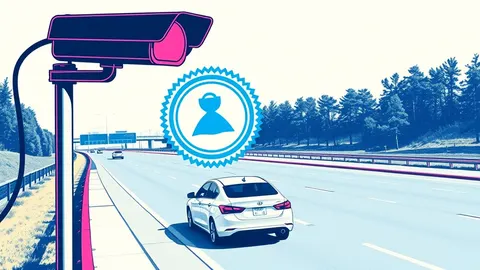
- Langley compared Flock’s license plate cameras to driverless cars, arguing safety improvements justify privacy trade-offs.
The short version
- Flock CEO Garrett Langley defended the company’s surveillance technology at TechCrunch Disrupt 2026 in San Francisco.
- He argued that the rewards of increased crime accountability outweigh the risks of privacy abuse.
- The company is currently dealing with cancelled contracts and layoffs amid growing national backlash.
The details
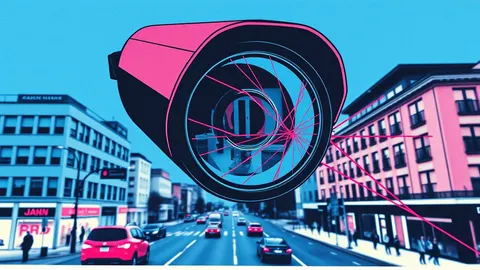
Flock founder and CEO Garrett Langley stated that the risks of introducing surveillance technology at scale do not outweigh the rewards, according to TechCrunch. Speaking on stage at TechCrunch Disrupt 2026 in San Francisco, Langley argued that society should not pause progress if it wants higher probabilities of holding criminals accountable.
During the panel, Langley deflected hard questions regarding the criticism Flock faces. Instead of offering tangible solutions to privacy concerns, he relied on anecdotes from conversations with police chiefs and city leaders across the United States. He shared tales of crimes solved by the company’s license plate cameras and other recording devices.
Langley positioned Flock’s technology as an inevitable advance. He stressed that living in a society with reduced crime requires citizens to offer up their privacy in return. This stance mirrors arguments often made about artificial intelligence, where convenience is traded for data sharing.
The context
Langley drew a parallel between Flock’s surveillance tools and driverless cars. He claimed driverless cars are definitively safer than human drivers and that one accident should not shut down the technology. He suggested the focus should be on preventing future accidents rather than halting progress.
However, the comparison has limits. Driverless car makers typically pause fleets and apply fixes after crashes. Flock, meanwhile, appears to wrestle with understanding when it is the company’s responsibility to intervene. The company has faced cancelled contracts and layoffs, indicating significant pushback against its approach.
What should you do?
- Monitor official channels for updates on Flock’s operational changes or contract cancellations.
- Review local municipal records to see if your city has adopted or cancelled Flock services.
- Check your privacy settings for any data sharing agreements with local law enforcement agencies.
- Stay informed about legislative debates regarding surveillance technology and consent requirements.
For customers and users
If you live in an area using Flock’s license plate cameras, understand that your vehicle movements are being recorded. Check whether your local government has published a privacy policy regarding this data. Be wary of follow-up scams that might exploit this news, such as fake notices about traffic violations. Teams usually advise verifying any official communication through independent channels. Do not click links in unsolicited emails claiming to be from Flock or local police.
What to do and how to stay safe: Flock
- Verify the source of any communication claiming to be from Flock or local law enforcement.
- Review your local government’s website for information on surveillance technology usage.
- Monitor news outlets for updates on contract cancellations or policy changes.
- Consider adjusting your vehicle’s visibility if you are concerned about license plate tracking.
Step-by-step guide: How Online Tracking Works: The Technical Chain from Request to Profile
General security guidance from the DataSafe Times newsroom. It is not confirmed advice from the organisations named in this story.
Frequently asked questions
What did Flock CEO Garrett Langley say at TechCrunch Disrupt?
Langley defended the company’s surveillance technology, arguing that crime-fighting benefits outweigh privacy risks and that progress should not be paused.
Has Flock faced any negative consequences from this backlash?
Yes, the company has experienced cancelled contracts and layoffs amid growing privacy concerns.
How did Langley compare Flock’s technology to other innovations?
He compared it to driverless cars, arguing that both offer safety improvements that justify their adoption despite potential accidents or privacy trade-offs.