EFF: Warrants needed for stored ALPR data as judge rules on driver privacy
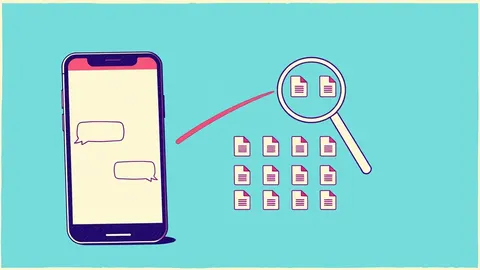
The Electronic Frontier Foundation argues that law enforcement should obtain judicial approval before searching historical records from automated license plate readers.
Privacy & Policy coverage from DataSafe Times holds 46 articles, 35 of them reference guides. The newest was published on October 20, 2026. New stories are added as soon as they are confirmed, from more than 150 sources checked as often as every 45 seconds. Each story lists its sources. Primary sources we follow for this section include EFF: Surveillance Self-Defense and European Commission: Data Protection.

The Electronic Frontier Foundation argues that law enforcement should obtain judicial approval before searching historical records from automated license plate readers.

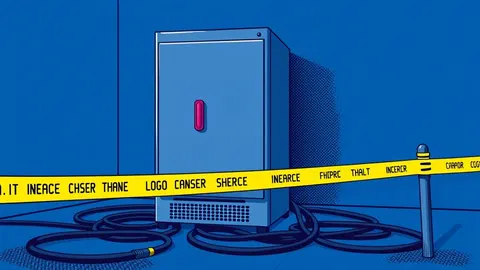
A cyber incident at BAE Systems has taken offline the Bankruptcy Noticing Center, stopping the distribution of official court notices nationwide.

The Electronic Frontier Foundation released its tracker blocker for Safari on macOS, requiring version 26.5 or higher to stop data collection.

New research shows adaptive AI systems can bypass visual CAPTCHA defenses by learning from every interaction, undermining static security assumptions.

Small businesses leak sensitive data not through sophisticated hacking, but through overly permissive cloud sharing links that never expire.

Location tracking relies less on satellite constellations and more on ambient network identifiers harvested by background applications.

Client-side encryption ensures your cloud provider cannot read your files, but it strips away server-side search and collaboration features.

Workplace monitoring systems track your digital activity through tools that function much like an open-plan office built inside your computer.

Web browsers treat cookies as blind identity tokens, meaning a site cannot verify who holds them once an attacker copies the string.

Most systems assume blocking a script stops state persistence, ignoring alternate fingerprinting vectors entirely.

Anti-facial-recognition garments disrupt automated identification by feeding machine learning models fabricated geometry rather than hiding your face.

Geotags embedded in social media posts expose company infrastructure far more than street addresses do.

Public conversational records index automatically when applications generate predictable Uniform Resource Locators for exported sessions.

A new analysis estimates the proposed cloud sovereignty law will impose heavy costs on European firms and public bodies over the next decade.

Intel’s chief executive states the U.S. government holds no formal plan to leverage its minority ownership to direct the chipmaker’s business operations.

A cyberattack on contractor BAE Systems has disabled the US federal courts' bankruptcy notice distribution and registration services, halting critical legal communications.

Automatic license plate reader maker Flock Safety is reducing staff as cities cancel contracts and lawmakers investigate its surveillance practices.

A federal appeals court rejected free speech claims from tech groups, allowing Florida to enforce its law barring minors from social platforms.

Flock’s leader argues crime-fighting benefits outweigh privacy risks, dismissing calls to pause progress despite cancelled contracts and layoffs.

The executive argues that sacrificing personal data is necessary to achieve a crime-free society, despite ongoing public debate about the trade-offs.

Privacy regulations shift the legal burden to organizations, forcing them to justify data retention rather than letting users prove harm.

Developers disable end-to-end encryption to access server-side features, not because the protocol fails or the security is weak.

Ad blockers operate within legal boundaries by modifying local data streams, not by hacking servers or violating copyright laws in most jurisdictions.

Proxies mask your location for specific apps while VPNs encrypt all traffic, creating a fundamental split in security coverage and performance overhead.