
Cloud Security
Cloud Logging Gaps: Definition, Causes, and How to Fix Them
Silent gaps in cloud logging allow attackers to operate undetected because security tools only analyze the events they actually receive from the platform.
Cloud Security coverage from DataSafe Times holds 19 articles, 17 of them reference guides. The newest was published on October 14, 2026. New stories are added as soon as they are confirmed, from more than 150 sources checked as often as every 45 seconds. Each story lists its sources. Primary sources we follow for this section include Cloud Security Alliance and CIS Benchmarks.
Silent gaps in cloud logging allow attackers to operate undetected because security tools only analyze the events they actually receive from the platform.
Immutable infrastructure eliminates configuration drift by replacing servers instead of modifying them, forcing a complete rebuild for every change.

Your cloud attack surface expands beyond servers to include misconfigured storage buckets, stale API keys, and identity missteps that automated tools often miss.

OAuth delegates access to resources while SAML authenticates users, yet modern identity providers bundle both protocols to satisfy distinct security requirements in cloud environments.
CSPM tools map configuration drift to risk, but they do not patch vulnerabilities or enforce runtime controls without external automation.

A virtual private cloud diagram reveals that logical isolation relies on software-defined networking, not physical hardware separation, changing how you validate security controls.

Moving security checks earlier in the pipeline reduces remediation costs and prevents runtime failures that are expensive to fix later.

Ingram Micro outlines its strategy for balancing AI adoption with security controls during its upcoming appearance at the DTX + UCX London event in 2026.

Research shows a single prompt can compromise all Amazon Bedrock AgentCore agents in an AWS account, exposing secrets and credentials.
The cloud provider secures the physical hardware and virtualization layer, but you remain liable for every configuration error within your own tenant environment.

Most teams collect logs but never define the signal, creating a high-fidelity record of activity that no one reads until an incident occurs.
Audit logs fail not because the cloud provider lacks features, but because the storage destination inherits the same excessive permissions as the rest of the infrastructure.
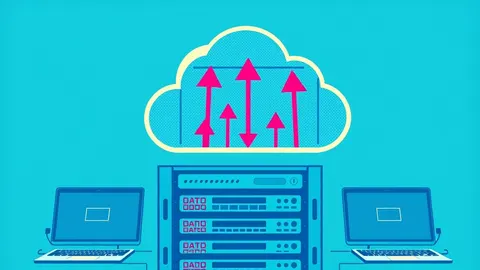
Network segmentation isolates workloads by controlling packet flow at the hypervisor level, creating boundaries that prevent lateral movement even when perimeter defenses fail.

Hybrid environments fail when security policies treat public and private infrastructure as separate entities rather than a single attack surface.
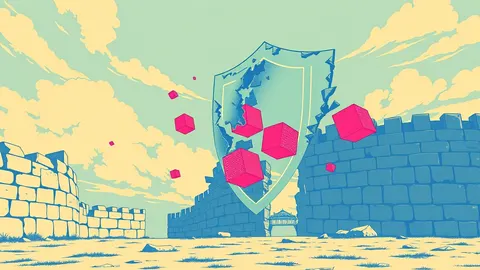
Your perimeter disappears in hybrid clouds, forcing you to treat every workload as a potential entry point rather than relying on network boundaries for safety.
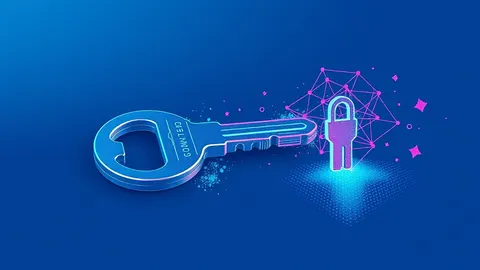
Static access keys create a permanent vulnerability window that expands with every deployment, making rotation a continuous engineering discipline rather than a periodic administrative task.

Identity governance automates access reviews but often increases administrative overhead by creating complex dependency chains that require constant manual reconciliation.

Multi-factor authentication fails when the second factor relies on the same compromised identity provider session that issued the first factor.
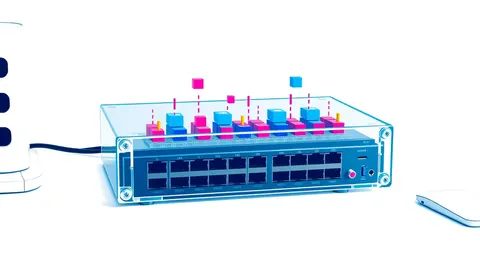
You will see how pod selectors match traffic, why the control plane does not filter packets, and where your rules fail in multi-tenant clusters.