Data Breaches coverage from DataSafe Times holds 19 articles, 14 of them reference guides. The newest was published on October 21, 2026. New stories are added as soon as they are confirmed, from more than 150 sources checked as often as every 45 seconds. Each story lists its sources. Primary sources we follow for this section include FTC: Data Breach Response, A Guide for Business and Have I Been Pwned.
Sensitive personal data of FBI employees was stolen in a late September breach, prompting arrests and probes into ransomware negotiators who aided the extortion group.
Most insider data theft succeeds because standard network perimeter defenses ignore the internal user who already possesses valid authentication credentials and authorized access.
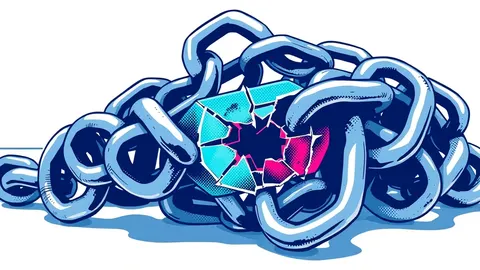
Credential exposure persists because static hashes are insufficient, requiring continuous monitoring and automated rotation to mitigate long-term access risks.
Law struggles to define doxxing because it often involves publishing true facts, forcing organizations to rely on technical controls rather than legal threats.
Data exfiltration often succeeds not through brute force but by blending stolen information into normal network traffic patterns that security tools ignore by design.
Canadian cybersecurity professional Edward Dubrovsky faces federal extortion charges linked to the ShinyHunters hacking group after an arrest in Pennsylvania.
Role based access control decouples permissions from identities, while access control lists bind rights directly to user names, creating different maintenance burdens.
Federal agents have detained another member of the ShinyHunters extortion group. Director Patel stated the bureau will pursue remaining operatives globally.
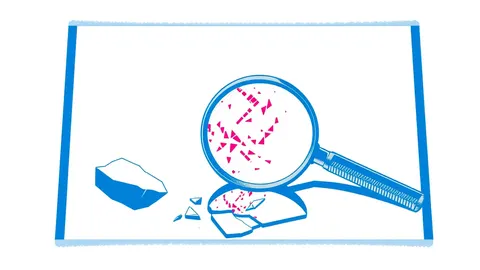
Deleting files leaves magnetic or electrical traces that standard recovery tools can reconstruct, making physical destruction or cryptographic erasure the only reliable end state.
Public code repositories often expose proprietary logic before any financial impact occurs, requiring immediate credential rotation and access revocation.