Key points
- Horizon3 NodeZero identifies exploitable attack paths by chaining vulnerabilities and misconfigurations in live environments.
- Torq integrates these findings into SOC workflows to orchestrate automated remediation actions across identity and cloud tools.
- The solution includes automatic verification retests to confirm that attack paths are closed before resolving cases.
The short version
- NodeZero demonstrates reachable attack paths by testing live environments from an assumed-breach position.
- Torq enriches findings with asset ownership to help teams prioritize remediation of proven weaknesses.
- Automated verification retests ensure that remediation actions successfully close the identified attack paths.
The details
Security teams often struggle with lists of weaknesses that lack context on actual exploitability. Horizon3 and Torq have published a joint solution brief detailing how they connect autonomous pentesting with automated remediation. NodeZero safely tests live environments by chaining vulnerabilities, misconfigurations, and credential weaknesses across network, cloud, identity, and Active Directory. This process demonstrates which attack paths are actually reachable.
Torq brings these specific findings into Security Operations Center workflows. The platform enriches the data with asset ownership and attack-path impact information. This context allows teams to focus their remediation efforts on the weaknesses that NodeZero has proven are exploitable. The integration links remediation directly with scoped verification pentesting capabilities.
The context
Torq can orchestrate actions across identity, endpoint, cloud, collaboration, and ITSM tools. After these actions are taken, the system launches a targeted retest to confirm that the attack path is closed. Verified findings are then resolved in Case Management. If findings remain exploitable, they return for another remediation pass. This supports a continuous cycle of hacking, fixing, and verifying.
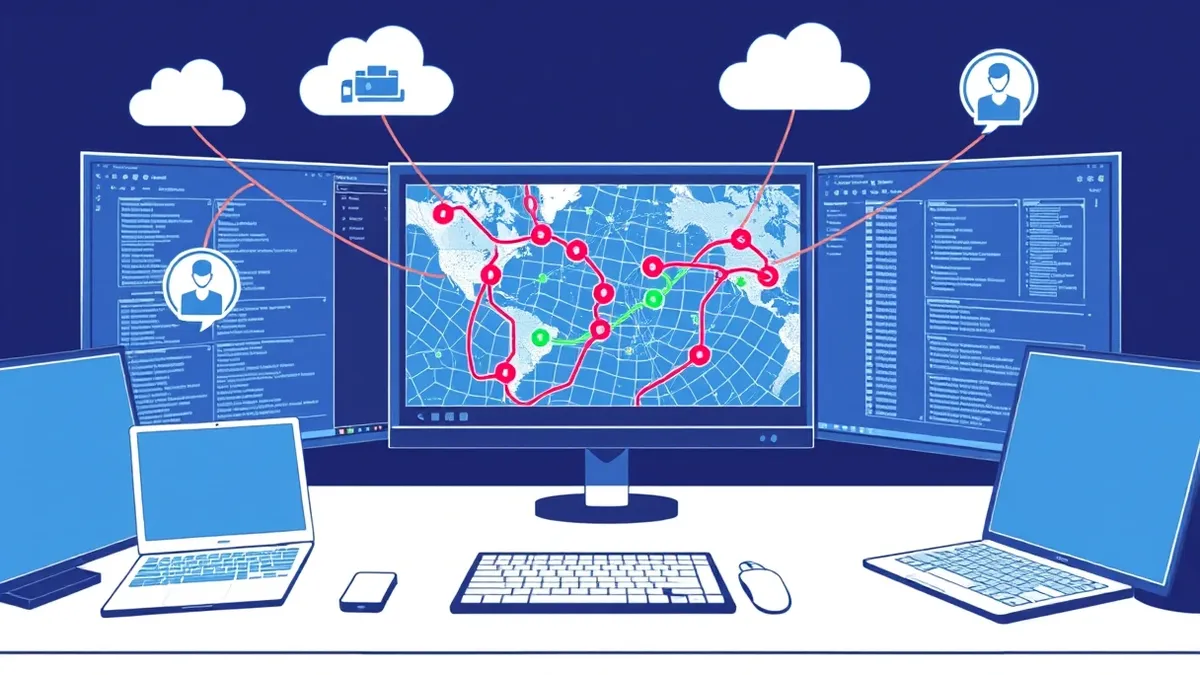
The document illustrates how NodeZero findings flow into Torq Hyperautomation, Socrates AI SOC Analyst, and Case Management. This connects proven weaknesses with coordinated action and verified outcomes. The goal is to move beyond simple vulnerability lists toward evidence-based remediation.
What should you do?
- Review current SOC workflows to see if they include automated verification steps after remediation.
- Ensure that vulnerability management processes prioritize proven exploitability over theoretical risk scores.
- Check if your security tools can orchestrate actions across identity and cloud platforms simultaneously.
- Verify that your case management system tracks the full lifecycle from detection to verified closure.
For customers and users
Organizations adopting this integrated approach should ensure their security teams understand the difference between theoretical vulnerabilities and proven attack paths. Users should monitor for unusual account activity, especially if credential rotation is triggered as part of automated remediation. It is important to verify that any security alerts received are legitimate and not phishing attempts mimicking internal security communications. Teams usually recommend checking official company channels for updates on security tool changes or new verification processes being implemented.
What to do and how to stay safe: Horizon3
- Audit current security workflows to identify gaps between vulnerability discovery and remediation verification.
- Ensure that security operations centers have the capability to orchestrate actions across multiple platforms.
- Implement processes that require automated retesting before closing security findings in case management systems.
- Train staff to recognize and report phishing attempts that may mimic security alert communications.
General security guidance from the DataSafe Times newsroom. It is not confirmed advice from the organisations named in this story.
Frequently asked questions
How does NodeZero identify attack paths?
NodeZero safely tests live environments from an assumed-breach position, chaining vulnerabilities, misconfigurations, and credential weaknesses across network, cloud, identity, and Active Directory.
What role does Torq play in this integration?
Torq brings NodeZero findings into SOC workflows, enriching them with asset ownership and attack-path impact to focus remediation on exploitable weaknesses.
How is remediation verified?
Torq orchestrates actions across various tools and then launches a targeted retest to confirm that the attack path is closed before resolving the finding.