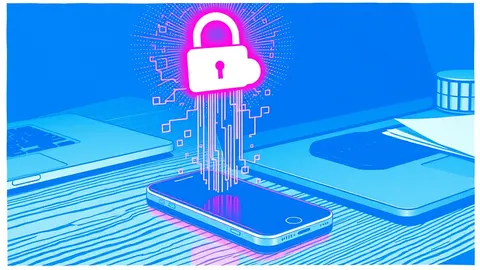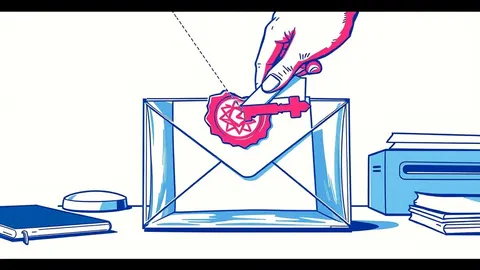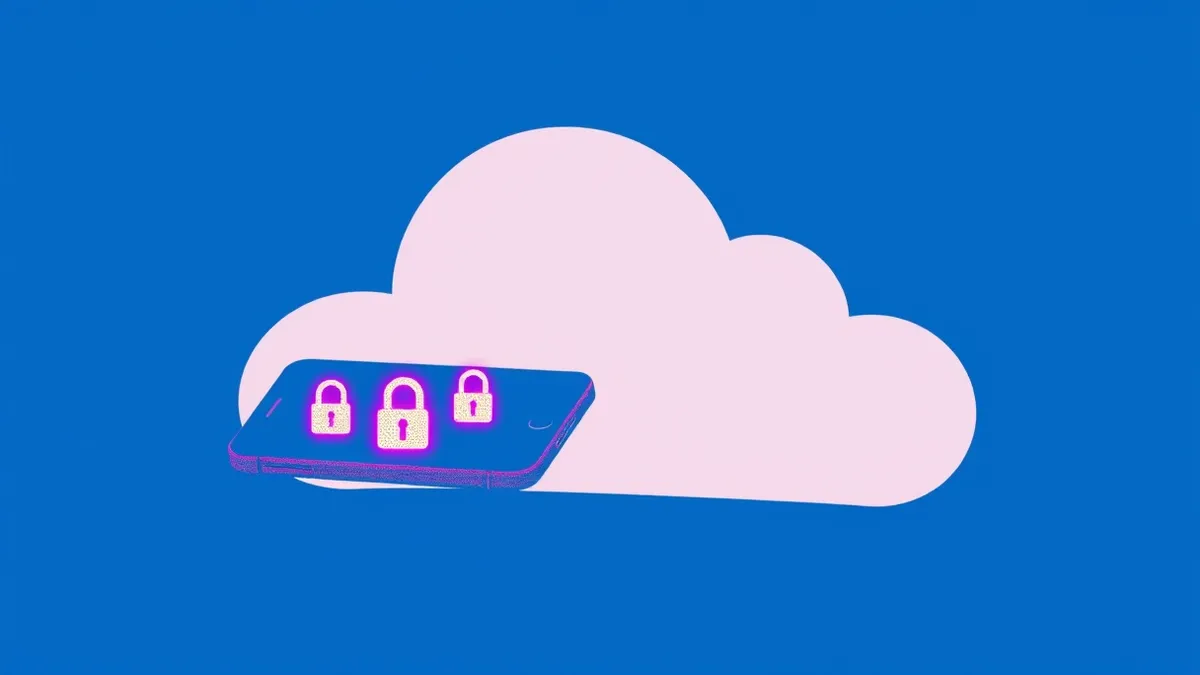
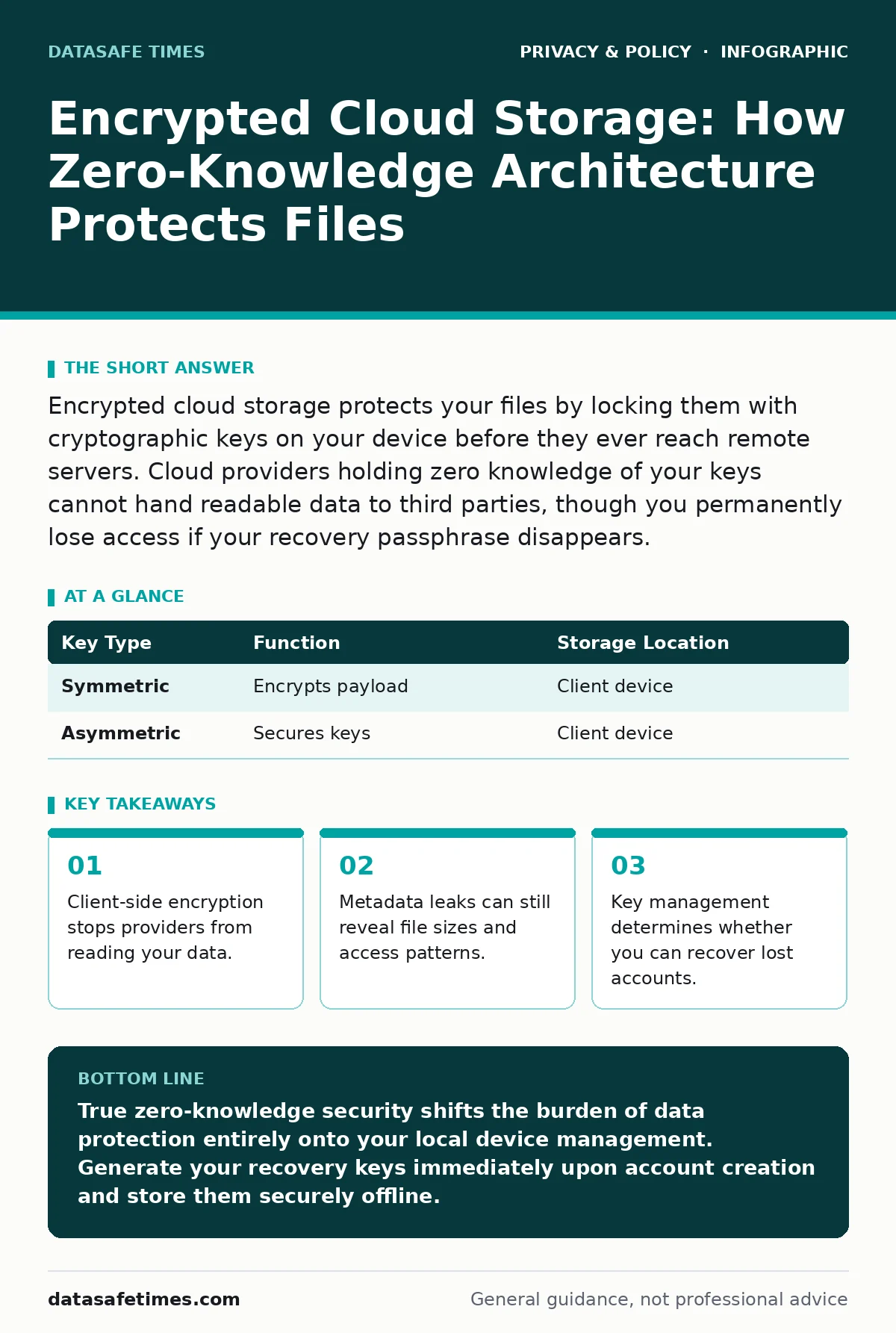
Encrypted cloud storage protects your files by locking them with cryptographic keys on your device before they ever reach remote servers. Cloud providers holding zero knowledge of your keys cannot hand readable data to third parties, though you permanently lose access if your recovery passphrase disappears.
How does client-side encryption actually work in cloud storage?
Client-side encryption transforms your files locally on your machine before transmission over the network. Symmetric keys encrypt the actual payload, while asymmetric keys secure those symmetric keys for transmission. You bear the sole responsibility for generating and retaining these keys. Remote servers receive only ciphertext, which appears as random noise to anyone inspecting the storage volumes. Similar precautions apply when handling sensitive file metadata before uploading documents to public repositories.
What is zero-knowledge architecture and why does it matter?
Zero-knowledge architecture guarantees that the service operator possesses no technical means to read your stored content. Trust shifts entirely from corporate policy to mathematical proofs embedded in client software. You eliminate the risk of database breaches exposing readable files because the database contains only scrambled blobs. This design also prevents administrators from indexing your personal data for targeted advertising or third-party analytics.
Can cloud providers decrypt your files if compelled by law enforcement?
Cloud providers cannot decrypt your files under legal compulsion because they physically lack the decryption keys. Judicial orders demanding user data result in the provider handing over unreadable ciphertext instead of plaintext documents. You maintain absolute sovereignty over your digital privacy rights when using systems designed without backdoors. Government agencies must target your local device instead of coercing the remote infrastructure.
How do cryptographic keys protect your data from unauthorized access?
Cryptographic keys protect your data through 3 distinct mechanisms that resist brute-force attacks. Symmetric encryption uses a single secret key for both locking and unlocking data streams efficiently. Asymmetric encryption relies on a mathematically linked key pair where one public key locks data and a private key unlocks it. Unauthorized actors intercepting your traffic see only computational noise without possessing the corresponding private credentials.
| Key Type | Function | Storage Location |
|---|---|---|
| Symmetric | Encrypts payload | Client device |
| Asymmetric | Secures keys | Client device |
What information do encrypted services leak through metadata?
Encrypted services leak structural patterns through metadata even when the file contents remain completely secure. File sizes, modification timestamps, directory trees, and access frequency create identifiable behavioral fingerprints. Observers analyzing network traffic can infer what type of document you are editing based on how data volume fluctuates during saving operations. Suppressing these auxiliary leaks requires padding file sizes and randomizing sync intervals to obscure real activity.
See also: Private file sharing services for small teams with zero budget
How does sharing files affect end-to-end encryption security?
Sharing files forces a temporary compromise in end-to-end encryption, which is a system where only communicating users can read messages. The client software must re-encrypt the file key using the public key of the recipient. Imagine Alice sending a secure document to Bob by generating a transient key that both of their client applications can unwrap. Intermediate servers broker this key exchange, creating a brief window where implementation flaws could theoretically expose the handoff.
What happens when you lose your master password or recovery phrase?
Losing your master password or recovery phrase means your encrypted data is permanently gone forever. Providers cannot reset your credentials because no administrative recovery mechanism exists in a true zero-knowledge model. You must store your recovery phrase on physical media or in a trusted offline location to prevent permanent lockout. Software developers building these systems intentionally omit password reset links to eliminate server-side vulnerabilities.
How do open standards compare to proprietary encryption schemes?
Open standards provide superior security through public peer review compared to closed, proprietary encryption schemes. Independent cryptographers analyze open protocols to find implementation flaws before malicious actors exploit them in production environments. Proprietary formats rely on secrecy rather than mathematical rigor, a weak defense that often collapses under determined auditing. You should always prefer tools built on publicly documented cryptographic libraries over custom vendor code.
Key takeaways
- Client-side encryption stops providers from reading your data.
- Metadata leaks can still reveal file sizes and access patterns.
- Key management determines whether you can recover lost accounts.
True zero-knowledge security shifts the burden of data protection entirely onto your local device management. Generate your recovery keys immediately upon account creation and store them securely offline.
Frequently asked questions
Can I use server-side search features with zero-knowledge storage?
Server-side search remains impossible because the remote infrastructure cannot read your index terms or file contents.
Does encrypted storage protect against malware infections on my computer?
Malware running locally can read your unencrypted files before upload or steal your active cryptographic session keys.
Are file names encrypted along with the actual document contents?
Many providers encrypt file names and folder structures, though some leak structural hierarchies depending on their implementation.
How do I verify that a service actually uses client-side encryption?
You can inspect network traffic using local proxy tools to confirm that only ciphertext leaves your machine.
How this guide was produced: written by the DataSafe Times editorial team with AI assistance, checked against the public references listed below, and reviewed when the facts change. See our editorial policy or report an error.