
Privacy & Policy
Difference Between VPNs and Proxies: How Tunneling Differs From Routing
Proxies mask your location for specific apps while VPNs encrypt all traffic, creating a fundamental split in security coverage and performance overhead.
Proxies mask your location for specific apps while VPNs encrypt all traffic, creating a fundamental split in security coverage and performance overhead.

File metadata retains creation dates, device IDs, and edit histories that persist even after you rename or compress the file, revealing more than you intend.

Private browsing modes hide your local history but do not conceal your activity from network observers or website operators, creating a false sense of anonymity.

Civil fines reach 7,500 dollars per intentional breach while private lawsuits allow statutory damages for data leaks, creating massive liability for organizations that ignore consumer rights.
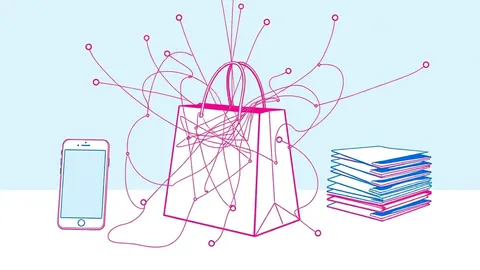
Most personal data is not stolen through hacks but assembled from public records, purchase receipts, and tracking scripts that operate openly across the web.

Privacy rights shift control from data collectors to individuals, allowing you to demand deletion or correction of stored information through standardized legal channels.

Your device aggregates local sensor data with cloud profiles to predict behavior, creating a dossier you never explicitly authorized.

Platforms sell your inferred interests, not just your posts, creating a permanent record that persists long after you delete the account or change your mind.
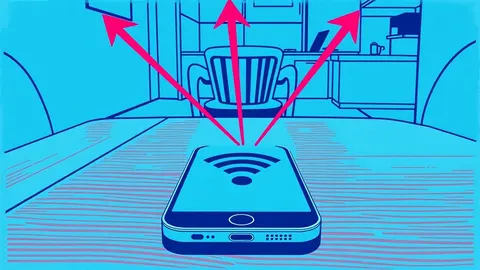
Public Wi-Fi risks stem from misconfigured client settings rather than malicious access points, turning your device into an open book for anyone on the local network segment.
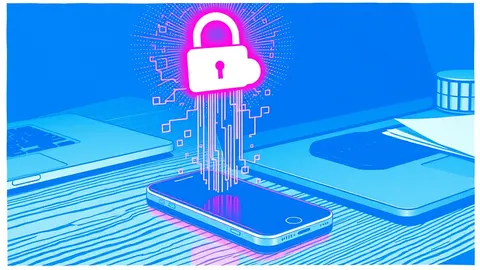
Your cloud provider cannot read your files because the encryption key never leaves your device, rendering the data useless to attackers.

Most tracking does not require cookies; it relies on the unique fingerprint your browser sends with every network request.

You must respond to data access requests within a strict window, but you can lawfully deny them if the request is manifestly unfounded or excessive in scope.

Your smart home devices often transmit unencrypted sensor data to third-party servers, creating a persistent record of your daily habits that persists long after you leave the house.

End-to-end encryption protects data in transit but leaves metadata exposed, meaning your communication patterns remain visible even when content is hidden.

Parental controls and age gates rarely stop data collection; the infrastructure tracks minors regardless of stated consent or visible settings.
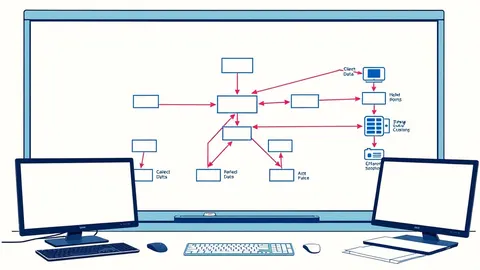
The regulation forces engineers to treat data lineage as a security constraint rather than a legal afterthought, changing how systems are built.

Employee accounts often reveal internal network structures and software versions that attackers use to bypass perimeter defenses without ever touching your servers directly.

Private browsing prevents local history storage but fails to hide your activity from network providers and the sites you visit.

Most accounts fail not because the password is weak, but because the second factor shares the same vulnerability surface as the first.

Metadata and backup configurations often expose more information about your communications than the message content itself, even when encryption is active.

You can process data without consent if your reason is specific, necessary, and does not override the individual's fundamental rights.

Encrypting DNS traffic hides your query history from network operators, but it shifts visibility to the resolver and introduces new latency trade-offs you must manage carefully.

A single invisible image in your inbox can confirm you are human, reveal your location, and log every time you reopen the message.